As a professional cleaning company, we've seen countless beautiful hardwood floors ruined by improper cleaning methods. The good news? Keeping your hardwood floors pristine doesn't require expensive products or complicated techniques-just the right approach. In this article, we are going to share with you how to clean hardwood floors without damaging them.
Understanding Your Hardwood Floor's Finish
Before you start cleaning, identify whether your floors have a surface-sealed finish (polyurethane, urethane, or polyacrylic) or a penetrating seal/wax finish. Most modern hardwood floors are surface-sealed, which makes them more water-resistant and easier to maintain.
Daily and Weekly Maintenance
Sweep or vacuum regularly. Dirt and grit act like sandpaper on your floors, causing scratches and dullness over time. Use a soft-bristle broom or a vacuum with a hardwood floor setting to remove debris daily in high-traffic areas.
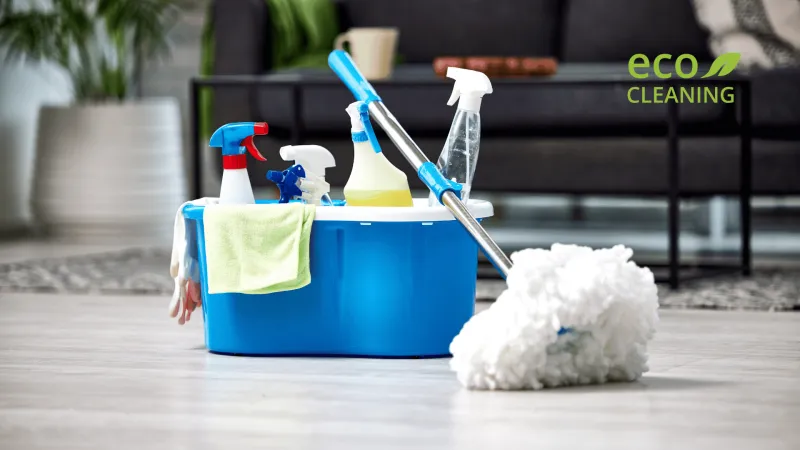
Use microfiber mops for dusting. Dry microfiber mops are incredibly effective at capturing dust and pet hair without scratching your floors. This quick daily habit prevents buildup and reduces the need for deep cleaning.
The Right Way to Wet Clean
When it's time for a deeper clean, remember that water is hardwood's enemy.
Always use a damp-never wet-mop. Excess water can seep between boards, causing warping, cupping, and finish damage.
Choose pH-neutral cleaners specifically designed for hardwood floors. Avoid vinegar, ammonia-based products, and oil soaps, which can dull the finish or leave residue. At Eco Cleaning, we use plant-based, hardwood-safe solutions that clean effectively without harsh chemicals.
Wring your mop thoroughly until it's barely damp. Mop in the direction of the wood grain, and work in small sections. If you see standing water, you're using too much moisture.
What to Avoid
Never use steam mops on hardwood floors-the heat and moisture combination can permanently damage the wood and finish. Skip abrasive scrubbers, wax-based products on polyurethane finishes, and all-purpose cleaners not formulated for wood.
Protecting Your Investment
Place mats at entryways to catch dirt before it reaches your floors. Use felt pads under furniture legs and trim your pet's nails. These simple preventive measures significantly reduce scratches and wear.
Address spills immediately by blotting-never wiping-with a dry or slightly damp cloth. Standing liquids can penetrate the finish and stain the wood beneath.
When to Call Professionals
If your floors look dull despite regular cleaning, or if you notice scratches, discoloration, or water damage, it's time for a professional assessment. Sometimes floors need recoating or refinishing, which restores their beauty and protection.
With proper care, your hardwood floors will maintain their warmth and elegance for decades. The key is gentle, consistent maintenance using the right tools and techniques-protecting both your floors and your investment.